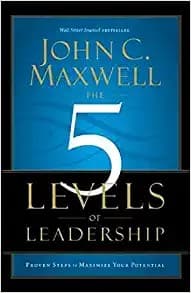
The 5 Levels of Leadership
by John C. Maxwell
A practical framework that takes managers from positional authority to genuine organizational influence through five clear, actionable stages.
You have just been promoted to team lead. People now report to you. But here is the uncomfortable truth that John C. Maxwell lays bare in The 5 Levels of Leadership: having a title does not make you a leader. It only means people follow you because they have to. Real leadership — the kind that inspires loyalty, drives performance, and builds lasting organisations — requires you to climb much higher.
The Five Levels
Maxwell's framework is straightforward and memorable:
Level 1: Position — People follow you because of your title. This is where every new manager starts. You have authority, but you have not yet earned respect. Teams at this level do the minimum required.
Level 2: Permission — People follow you because they want to. You have built relationships, listened to your team, and shown genuine care. Morale improves, and people start giving discretionary effort.
Level 3: Production — People follow you because of what you have accomplished. You lead by example, deliver results, and demonstrate competence. Your credibility comes from your track record, not your designation.
Level 4: People Development — People follow you because of what you have done for them. At this level, you are actively developing other leaders, mentoring, coaching, and investing in people's growth. Your legacy multiplies through the people you have built.
Level 5: Pinnacle — People follow you because of who you are and what you represent. Very few leaders reach this level. It is reserved for those whose influence transcends their organisation and even their lifetime.
Why This Matters in Indian Workplaces
Indian corporate culture is deeply hierarchical. Respect for authority is baked into the social fabric — from the way we address seniors to the deference shown in meetings. This means many Indian managers unknowingly remain stuck at Level 1 for years. They assume that because people nod in meetings and say "yes sir," they are effective leaders. In reality, their teams may be compliant but not committed.
Maxwell's framework provides a mirror. It asks you to honestly assess where you are, not where you think you are. A manager at a Pune IT company who has been leading a team for five years might discover they have never moved beyond Level 2. That realisation is uncomfortable, but it is the first step toward growth.
Moving Beyond Positional Authority
The most valuable section of the book deals with the transition from Level 1 to Level 2 — from positional authority to permission-based leadership. Maxwell emphasises that this transition is entirely about relationships. Do your people trust you? Do they feel heard? Do they believe you genuinely care about their careers, or do they see you as someone who only cares about deliverables?
In the Indian context, this requires intentional effort. The hierarchical default means that junior team members will rarely tell you what they really think unless you create psychological safety. Maxwell's advice — walk the floor, ask questions, listen more than you talk, and value people beyond their output — translates directly into the Indian workplace.
Practical for New Managers
Where this book truly shines is for new and mid-level managers. If you have recently been promoted, or if you manage a team of five to fifty people, the five-level framework gives you a clear roadmap. You can audit your current leadership level, identify specific behaviours that will help you advance, and set concrete development goals.
Maxwell writes with warmth and clarity, using anecdotes and stories that make the concepts memorable. The book does lean heavily on American corporate examples, and some readers may wish for more diverse case studies. But the principles themselves — earn trust before demanding performance, develop people as your primary job, lead by example — are universal.
Limitations
The book can feel repetitive in places. Maxwell restates his core ideas from multiple angles, which some readers may find redundant. Additionally, the framework is descriptive rather than prescriptive in the later levels. How exactly does one reach Level 5? Maxwell acknowledges this is rare and somewhat abstract. But for the vast majority of readers, the real value lies in Levels 2 through 4, and the guidance there is solid.
Final Verdict
The 5 Levels of Leadership is an excellent starting point for anyone who wants to move beyond managing tasks and start truly leading people. For Indian managers navigating hierarchical structures, it offers a clear, honest framework for growth.
Rating: 4.4/5 — A practical leadership roadmap, especially for those in their first management role.